
The first day of term is the easy part. It is the week before October half-term, the morning of the Year 6 tests and the Thursday you realise the parents' evening booking closed yesterday that families tend to remember.
What follows is a working version of the Somerset school year for 2025-26: when term starts and ends, which weeks are holidays, which deadlines genuinely do not move, and when exam season and parents' evenings land.
One caveat before you write anything on the fridge. Schools set their own training days, and a break occasionally shifts by a few days to line up with a neighbouring authority or a multi-academy trust calendar. Treat the dates below as the framework, then confirm the specifics on your child's school website or app before you book leave.
Most Somerset schools run the same three-term pattern: an autumn term from the first days of September to the third week of December, a spring term from early January to the end of March, and a summer term from mid-April to late July.
Reception and Year 7 usually start a day or two after everyone else, with shorter sessions so new pupils can settle without a full playground on day one. If your child is starting school for the first time, expect a staggered start across that opening week and check which day belongs to you.
The autumn term is the longest uninterrupted stretch of the year, and it is the one that wears children down. Half-term is not a bonus week. It is the reason November works.
Training days, often called INSET days, are the ones that catch people out. There are five in a school year and they are not standardised, which means your neighbour's children may be in class while yours are not. Two usually sit at the very start or end of a term. Add each one to your calendar the day the school publishes it, and check whether a wraparound club is running that day.
A handful of dates in the admissions round are set nationally. Late applications are still considered, but they are processed after everyone else's, which matters most when a popular school is oversubscribed.
The application window for children moving up to Year 7 closes on 31 October 2025, with offers issued on 1 March 2026. Proof of address usually has to be dated and submitted alongside the form, so gather it in the first half of October rather than the final week. List your genuine preferences in the order you actually want them; putting a school down that you would not accept does not improve your chances elsewhere.
Reception applications close on 15 January 2026 and offers go out on 16 April 2026. If your child turns five during the school year, you may be able to defer entry until later in the year or hold the place until compulsory school age begins. Rules vary, so ask the school office to confirm what applies to you.
In-year applications go to the council or directly to the school, depending on the school's status. Allow at least twenty school days for a decision, and do not hand in notice at your current school until a new place is confirmed in writing. For anything involving an appeal, an admission decision that affects your family's arrangements, or a special educational needs request, ask for the process in writing and consider taking independent advice.
Exam season starts earlier than most parents expect, and it is worth marking the dates before anything else fills the diary.
Year 6 pupils sit their key stage 2 tests over four mornings in the second or third week of May. Many schools run a breakfast session beforehand. Do not book dental appointments, family trips or anything optional that week.
GCSE, A-level and vocational exams run from mid-May to late June, with the heaviest concentration in the first three weeks. Mock exams usually fall in November or December and again in February or March, and revision for them begins weeks earlier. Results arrive in mid-August, A-level first with GCSE a week later. The exact days are published nationally each spring, so check them before booking any late-summer travel.
End-of-year assessments for Years 7 to 10, and for younger primary year groups, generally happen in June. There is nothing to revise at home, but it explains the tiredness and the sudden interest in an early night.
Most schools run one consultation evening per term, and in secondary schools the booking opens a week or two beforehand online. Slots are usually ten minutes, and the popular times go within hours.
An hour with the school calendar in late
Photo: Darkmoon_Art / Pixabay

From permits and insurance to potluck sign-ups and the final sweep, a practical checklist for organizing a...
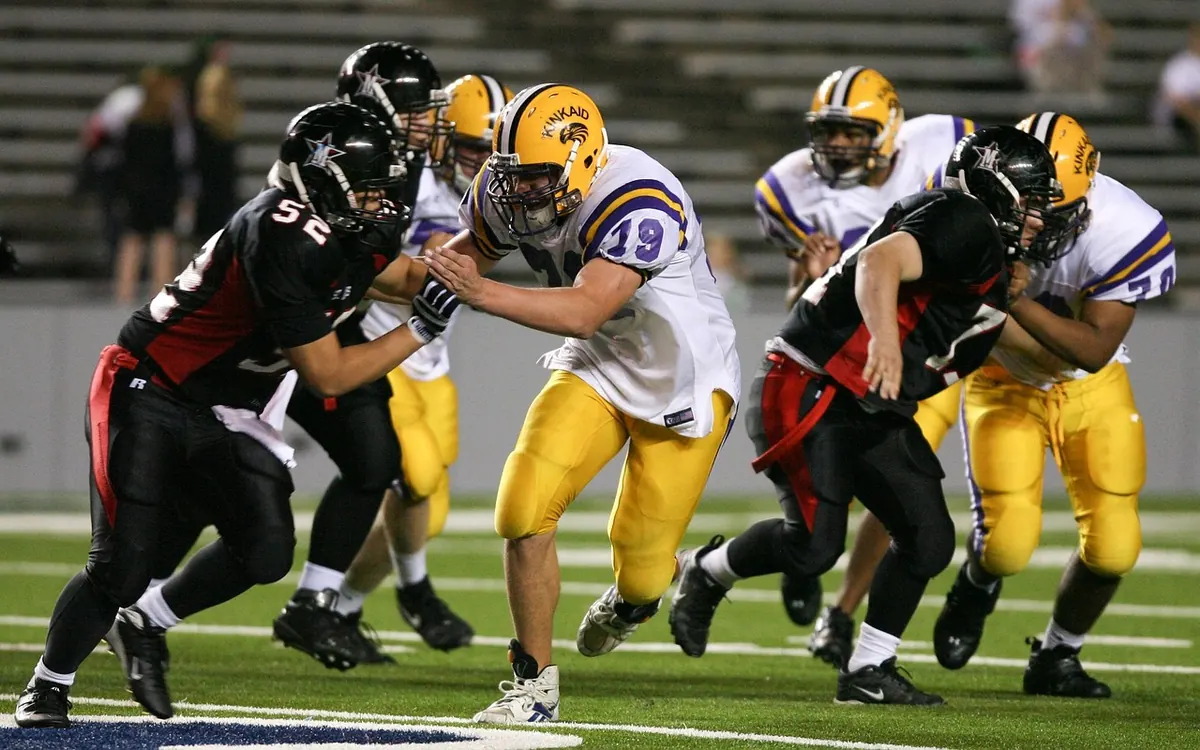
A first-timer's guide to Somerset High School football on Friday nights: ticket prices, parking, seating,...

Somerset's small plaques, boundary stones and flood marks remember the people and trades the grand monuments ignore....

Local news and stories from Somerset.
