
Most people walk past them. A small plate bolted to a brick wall, a stub of stone at the edge of a car park, a line of faded lettering above a shop door — the sort of detail the eye edits out on the way to somewhere else. These markers are the cheapest history lesson in town. They cost nothing, they are open at all hours, and they tend to point at something odder than the grand monuments do.
Statues remember people who already had their portraits painted. The small stuff remembers everyone else: the drowned, the evicted, the trades that vanished, the meetings held in back rooms above a pub.
A monument in the middle of a square has usually been moved, cleaned and re-dedicated so many times that its original meaning goes soft. A plaque is normally fixed to the thing it describes. The flood mark sits on the bridge pier the water actually hit. The chapel stone is set into the wall the congregation actually paid for. That proximity is the whole point, and it is why a ten-minute detour often beats an afternoon in a museum.
There is a practical advantage too. Small markers are missed by nearly everyone. You will rarely have to queue, and you will rarely find a laminated sign explaining what you are looking at. Bring your own curiosity.
Once you know the categories, you start seeing them everywhere. These are the ones that turn up most often on ordinary streets:
Inscriptions are written in a code of polite evasion, and it helps to know the phrases.
"Near this site" almost always means the building is gone and the plaque is the only trace. "Traditionally" is a warning that the evidence is thin. A single date usually marks a completion, not a beginning; foundation stones are laid long before doors open. And the first name on a plaque is rarely the most interesting one. Read to the end of the list, where the mason, the funder or the widow tends to be tucked away.
Look at the back and the base, too. Ironfounders stamped their names on the reverse, and stonemasons left marks at the bottom of a course. Those small signatures are often the only surviving record of who did the work.
Typical wording: “Near this spot stood…” — a formula that places the event just out of sight and asks you to imagine the rest.
You do not need a guided walk. A good circuit takes about forty minutes and follows the shape of the old settlement.
Start with the parish or town council noticeboard, which often carries a heritage trail leaflet nobody has updated since it was printed. The local studies section of the library is the next stop; staff there can usually point you to parish histories, churchyard surveys and old maps in one visit.
Records go by different names depending on where you are — a historic environment record, a heritage inventory, a listed buildings list. All of them are searchable by street, and all of them will tell you why a building was considered worth protecting, which is often the same reason a plaque was put up.
Old newspaper archives are the real prize. A century of local reporting on unveilings, accidents and obituaries will hand you the story behind a name on a stone in an afternoon. Take a straight-on photograph of any inscription you want to research, note the exact location, and write down what the building is now as well as what the plaque says.
The markers are still being added, which is the encouraging part. New plaques go up every year, and the nominations usually come from residents rather than committees. If a wall near you remembers something worth keeping — a flood, a factory, a person who did something quietly useful — the paperwork is less intimidating than it looks. Ask the parish clerk or the local history society what the process is. Someone has to go first, and it may as well be the person who already stopped to read.
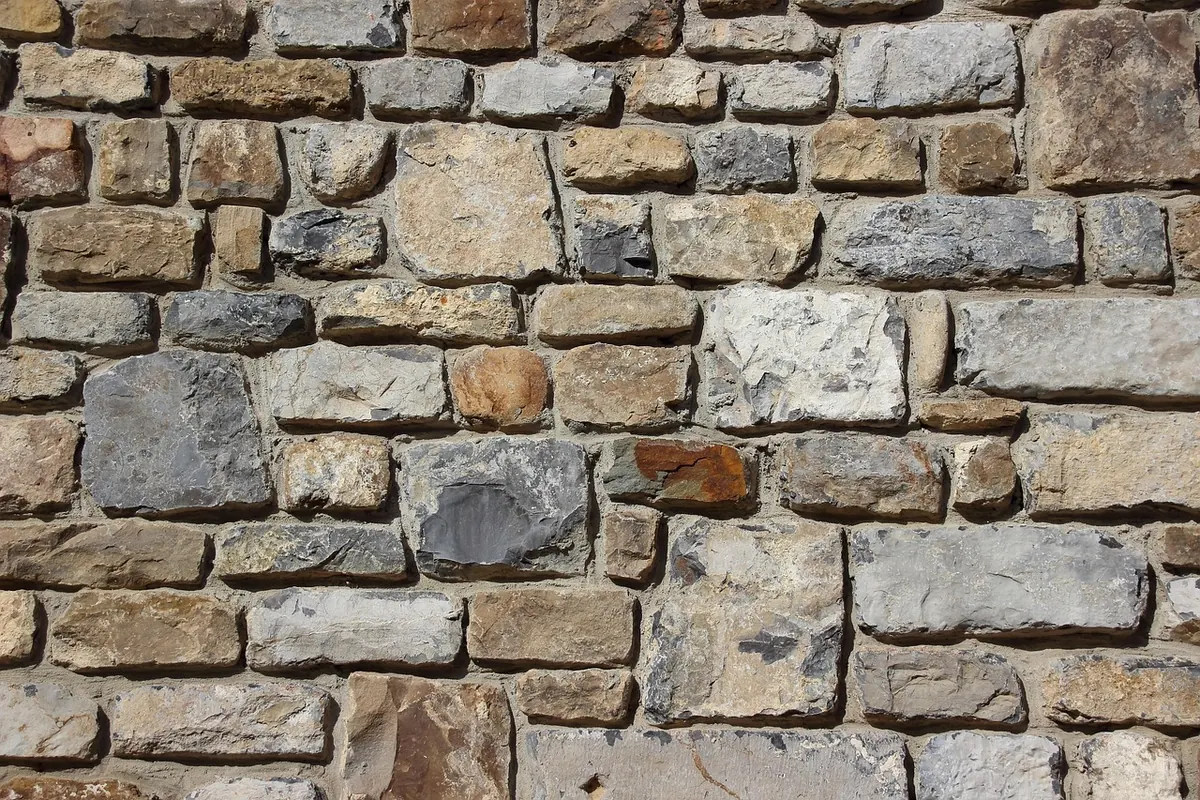
Photo: Elsemargriet / Pixabay
From permits and insurance to potluck sign-ups and the final sweep, a practical checklist for organizing a...

A first-timer's guide to Somerset High School football on Friday nights: ticket prices, parking, seating,...
Somerset's stricter recycling rules change what goes in which bin, when it's collected, and how to avoid a rejected...

Local news and stories from Somerset.
