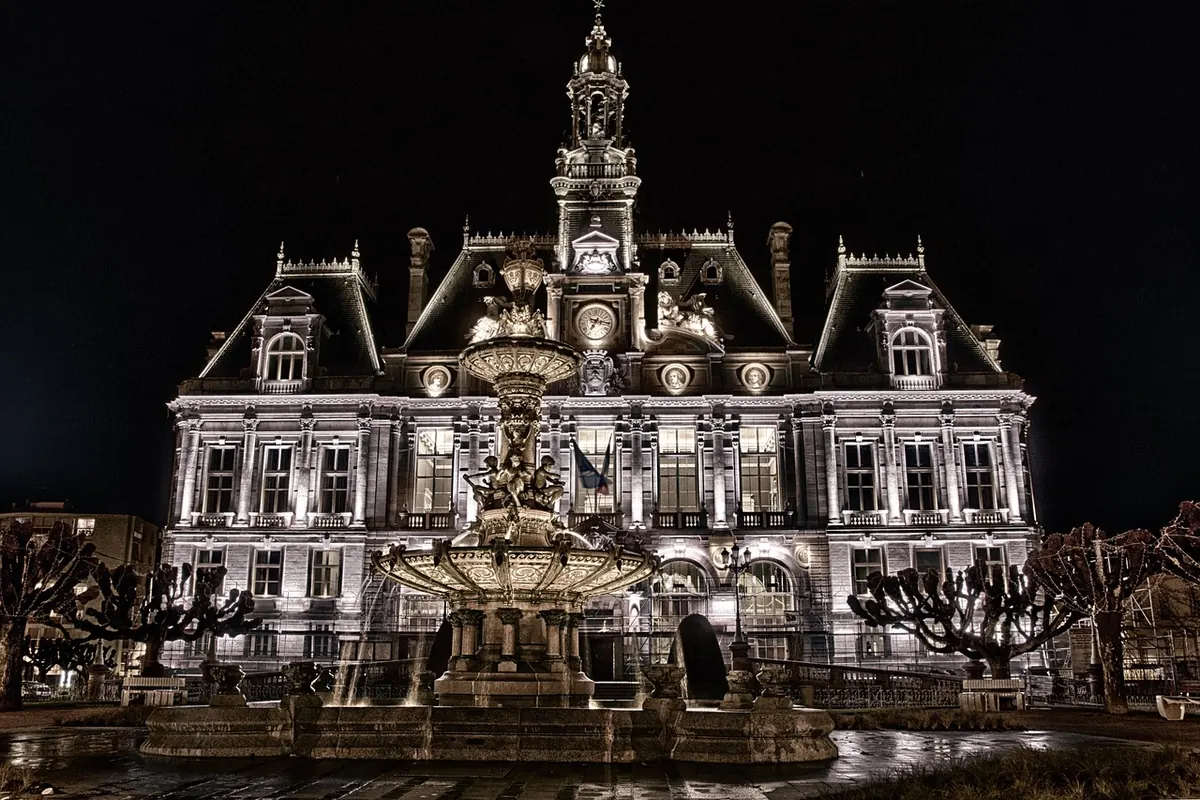
Town council meetings have a reputation for being either deadly dull or unexpectedly fiery. Neither is quite fair. What usually happens in a Somerset town hall is quieter and more useful than either: a handful of unpaid councillors working through a fixed agenda, with a short window near the start for residents to have their say. You do not need to be a confident public speaker to use that window well. You need one specific point, a couple of minutes, and a clear idea of what you are asking for.
Most town councils set aside a slot near the beginning of a meeting. It might be called public participation, public question time, or the public forum. The chair invites residents to speak, one at a time, and asks everyone to keep it brief.
What it is: your chance to put a concern, a piece of local knowledge or a request on the record, in front of the people who set the town's budget and its priorities.
What it is not: a debate. Councillors will listen, and may ask a clarifying question, but they will rarely give you a detailed answer on the night. Decisions generally have to be taken at a properly constituted meeting, which means your issue may be referred to a committee or added to a future agenda. That is normal procedure, not a brush-off.
Meetings are usually open to the public, though a council can ask residents to leave for confidential items such as staffing or legal matters.
Every council sets its own rules in its standing orders, so the details vary from town to town. Before you plan anything, find out:
The agenda is published in advance and is usually on the council's website or pinned up outside the office. Read it properly. If your issue is not on it, the council generally cannot decide anything about it that evening. A short email or phone call to the town clerk's office will settle all of the above in five minutes, and clerks are used to these questions.
Three minutes is shorter than it feels. Read aloud at a normal pace, that is roughly 400 words — about one side of A4, double spaced. If your notes run longer, cut them before the meeting, not while you are standing there.
A structure that works almost every time:
Keep to one issue. If you have three, pick the one the council can actually influence, and save the others for next month.
Nothing on this list is a disaster, but each one costs you attention you have taken the trouble to earn.
On planning: town councils in Somerset are usually consultees rather than the decision-maker. If a planning decision affects your property, or you are thinking about a legal challenge, take advice from a planning solicitor. The town council cannot give you legal advice, and it is unfair to ask it to.
Ask what happens next and who will deal with it. Ask for your point to appear in the minutes, and check the draft minutes when they are published. If a councillor suggests the matter goes to a committee, ask when that committee meets and whether you can speak there too. A polite follow-up email a fortnight later — "I raised the paving slabs on the 12th; could you tell me which officer has it now?" — is far more effective than returning angry the following month.
Read the agenda. Email the clerk. Write one page, then cut it in half. Read it aloud with a timer, standing up, because that is how you will deliver it. Take two copies: one to speak from, one to hand in. Arrive early, say your name clearly, make your request, thank the chair, and sit down. Then, if you can, stay for the rest of the meeting. Watching how decisions are actually made is the quickest way to become the kind of resident whose two minutes carry real weight.
Photo: Annabel_P / Pixabay

From permits and insurance to potluck sign-ups and the final sweep, a practical checklist for organizing a...

A first-timer's guide to Somerset High School football on Friday nights: ticket prices, parking, seating,...

Somerset's small plaques, boundary stones and flood marks remember the people and trades the grand monuments ignore....

Local news and stories from Somerset.
